Infertility affects roughly 1 in 6 couples, and male factors contribute to nearly half of those cases. Despite that, most couples start with a female-focused workup — sometimes delaying the diagnosis that matters. A complete male fertility evaluation identifies treatable causes early.
"For many couples, achieving a pregnancy together can really solidify their bond. My greatest aspiration is to offer hope and a pathway to parenthood for those who have struggled."— Kian Asanad, MD
When to Be Evaluated
- You and your partner have been trying for 12 months without success
- Your partner is over 35 and pregnancy hasn't happened after 6 months
- You have known fertility concerns
- Prior semen testing was abnormal
Male infertility can come from problems with sperm production, sperm quality, hormonal function, transport, ejaculation, or genetics. Many causes are treatable.
The Evaluation
History and physical
The consult covers duration of infertility, prior pregnancies, partner history, medical and surgical history, medications (including testosterone use), and lifestyle. The physical exam evaluates testicular size and consistency, varicoceles, vas deferens anatomy, epididymal abnormalities, and signs of hormonal dysfunction.
Hormonal testing
Testosterone (androgen production), FSH (sperm-producing activity — one of the most important markers of spermatogenesis), LH (testosterone signaling), estradiol, and prolactin. Additional testing may be added depending on the clinical picture.
Semen analysis
The cornerstone of evaluation. Because sperm parameters fluctuate naturally, at least two semen analyses are typical. The lab reports semen volume, sperm concentration, total count, motility, progressive motility, morphology, and vitality.
Advanced testing when indicated
DNA Fragmentation Index (DFI): measures sperm DNA integrity. Elevated DFI has been linked to recurrent pregnancy loss, IVF failure, and poor embryo development. Particularly valuable in unexplained infertility.
Genetic testing: karyotype, Y chromosome microdeletion, and CFTR mutation testing for severe male factor infertility or azoospermia.
Common Causes
Varicocele
Enlargement of veins around the testicle. Can lower sperm concentration, motility, morphology, DNA integrity, and testosterone. One of the most common — and most treatable — causes.
Hormonal dysfunction
Hypogonadotropic hypogonadism, hyperprolactinemia, low testosterone, estrogen imbalance. Often highly responsive to medical treatment.
Obstructive azoospermia
Normal sperm production but a blockage preventing sperm from reaching the ejaculate. Causes include vasectomy, epididymal obstruction, congenital absence of the vas deferens, ejaculatory duct obstruction, or prior infection. Often excellent treatment options.
Nonobstructive azoospermia
Severely impaired sperm production within the testicle. Causes include genetic abnormalities, Klinefelter syndrome, prior chemotherapy, testicular failure, maturation arrest, and Sertoli-cell-only syndrome. Advanced sperm retrieval can still allow biological fatherhood in selected patients.
Treatment Options
Hormonal optimization
Clomiphene citrate, hCG, anastrozole, and fertility-preserving testosterone strategies — all aimed at maximizing sperm production while protecting hormonal health.
Microsurgical varicocelectomy
The gold standard for clinically significant varicoceles. Using an operating microscope, abnormal veins are ligated while arteries, lymphatics, and reproductive structures are preserved. Benefits include improved sperm count, motility, morphology, and testosterone — and higher pregnancy rates.
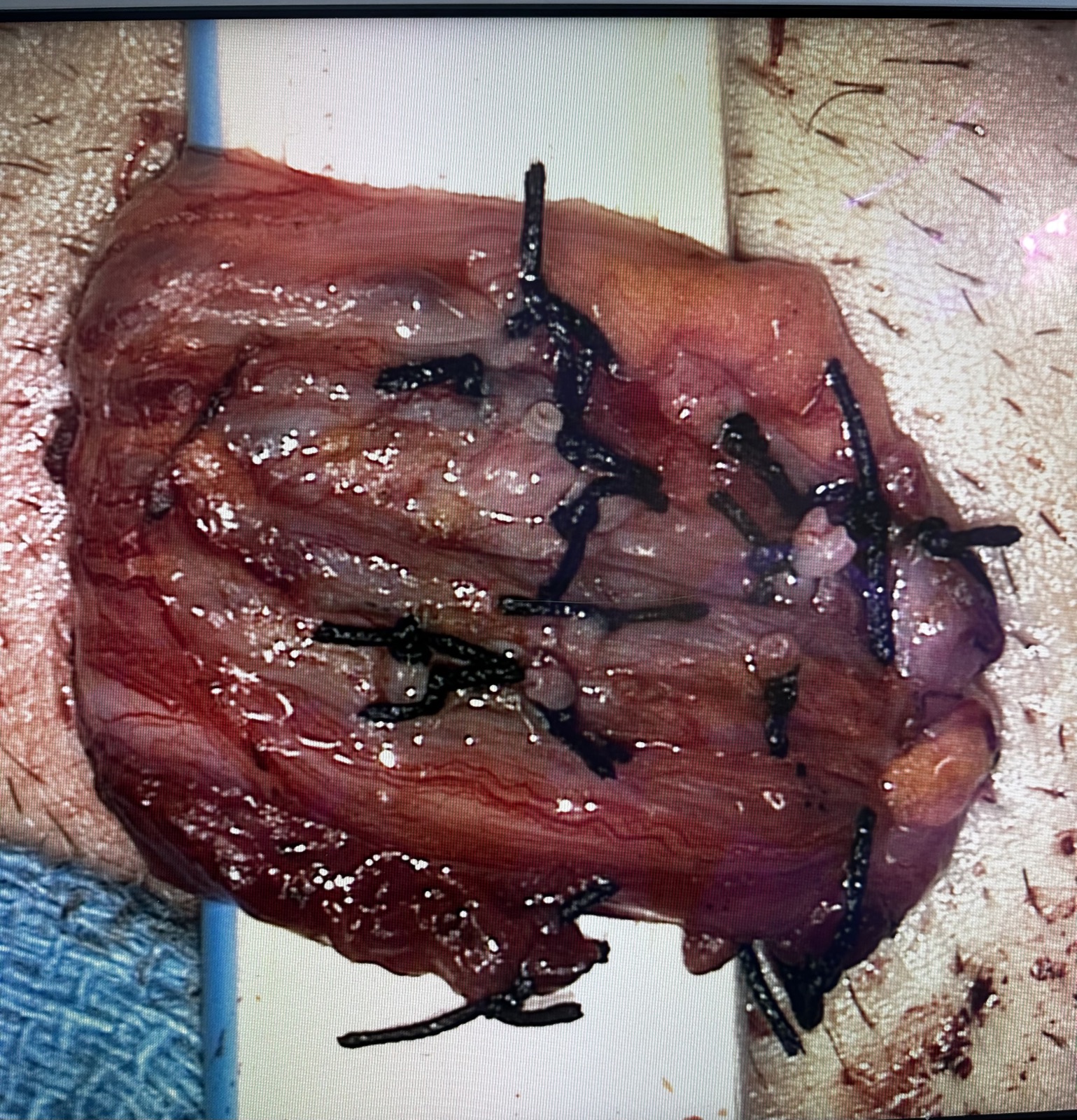 Operative view
Image shown with patient consent and posted with discretion.
Sperm retrieval
For men with azoospermia, sperm can often be retrieved directly from the reproductive tract or testicle:
- Testicular sperm extraction (TESE)
- Microdissection TESE (MicroTESE)
- Microsurgical epididymal sperm aspiration (MESA)
Retrieved sperm can be used with IVF and ICSI.
TURED — transurethral resection of the ejaculatory ducts
Minimally invasive procedure for men with ejaculatory duct obstruction. Restores normal flow of sperm into the ejaculate.
Vasectomy reversal
Microsurgical reconstruction of the vas deferens, restoring sperm to the ejaculate and allowing natural conception. Learn more →
Vasoepididymostomy (VE)
For men with epididymal obstruction, the vas deferens is connected directly to the epididymis above the blockage. One of the most technically demanding operations in reproductive microsurgery.
Dr. Asanad performed the first reported crossed vasoepididymostomy for unilateral absence of the vas deferens in Los Angeles — an advanced microsurgical reconstruction for a patient with complex reproductive tract obstruction. The kind of case most surgeons refer out, performed here.
Lifestyle and Nutrition for Fertility
Sperm production takes 74–90 days. Lifestyle changes made today affect sperm quality months from now.
- Avoid excessive heat — hot tubs, saunas, laptops on lap, heated seats. Testicles function best slightly below body temperature.
- Maintain a healthy weight — obesity lowers testosterone, raises estrogen, drops sperm counts, increases DNA fragmentation.
- Exercise regularly — supports testosterone, sperm quality, and metabolic health. Avoid anabolic steroids and extreme endurance training.
- Sleep 7–8 hours — poor sleep impairs testosterone and sperm production.
- Avoid tobacco, recreational drugs, and excess alcohol.
Physician-formulated by Dr. Asanad. Fertile Force is built around the full 90-day sperm production cycle — combining targeted antioxidants, vitamins and minerals critical for spermatogenesis, and probiotic support for the gut-testis axis. Most men benefit from a minimum 90-day course when optimizing fertility.