A vasectomy reversal is a highly specialized microsurgical procedure that reconnects the reproductive tract — restoring sperm to the semen and opening the door to natural conception. Whether your circumstances have changed, you've remarried, experienced the loss of a child, or simply want to expand your family, reversal gives many couples the chance to conceive naturally again.
What a Reversal Does
The procedure restores continuity of the vas deferens — the tubes that transport sperm from the testicles. The goal:
- Restore sperm to the ejaculate
- Restore natural fertility
- Allow couples to attempt conception naturally
- Avoid or reduce the need for IVF
Reconstruction is performed under an operating microscope using microsurgical instruments — reconnecting structures only a few millimeters in diameter.
Why Couples Choose Reversal
- Remarriage or a new relationship
- Desire to expand the family
- Loss of a child
- Improved financial or personal circumstances
- Preference for natural conception over IVF
For the right couples, reversal is often the most cost-effective path to multiple future pregnancies.
Fellowship Training Matters Here
Vasectomy reversal is among the most technically demanding procedures in urology. Success depends on surgeon training, microsurgical expertise, intraoperative decision-making, and technique.
Dr. Asanad completed dedicated fellowship training in reproductive microsurgery and male infertility. Patients benefit from:
- Fellowship-level microsurgical training
- High-powered operating microscopy
- Expertise in both VV and VE
- Comprehensive fertility evaluation for both partners
The Two Types of Reversal
One of the most important calls in surgery is determining which reconstruction is required — a decision made during the procedure, based on microscopic evaluation of fluid from the vas deferens.
Vasovasostomy (VV)
Reconnects the two ends of the vas deferens that were separated during the vasectomy. This is the most common reversal.
When VV is performed: when sperm or sperm components are found in the vasal fluid at the time of surgery.
Advantages: technically less complex than VE, higher success rates, faster return of sperm to the ejaculate.
Vasoepididymostomy (VE)
In some men, a secondary blockage develops in the epididymis from prolonged obstruction after vasectomy. In those cases, simply reconnecting the vas deferens won't restore sperm flow. VE connects the vas deferens directly to the epididymis above the level of obstruction.
When VE is required: no sperm in vasal fluid, thick or toothpaste-like fluid, or evidence of secondary epididymal obstruction.
Why VE matters: not every surgeon performing reversals is trained to perform VE. Without that capability, men who need a VE walk out without a successful reconstruction. Fellowship-level microsurgical expertise is essential.
What Influences Success
Obstruction interval
The length of time since vasectomy is one of the strongest predictors. Shorter intervals = higher success rates. Longer intervals raise the chance VE will be needed. That said, successful reversals are routinely achieved 10, 15, even 20+ years after vasectomy.
Female partner age
Pregnancy depends on both partners. Female age remains one of the strongest predictors of success. A full fertility evaluation often includes assessment of ovarian reserve, menstrual history, and prior fertility history — this helps determine whether reversal or IVF is the right strategy.
Prior fertility history
A history of prior pregnancies and biological children is generally reassuring.
Other factors
Male age, testicular function, hormonal status, smoking history, female fertility factors, and general health.
The Procedure
Performed as outpatient surgery under anesthesia. Using a high-powered operating microscope, the reproductive tract is reconstructed with sutures finer than a human hair.
- Typical time: 2–4 hours (longer if VE is required)
- Same-day discharge
Intraoperative Imaging
Selected case views from Dr. Asanad's microsurgical practice.
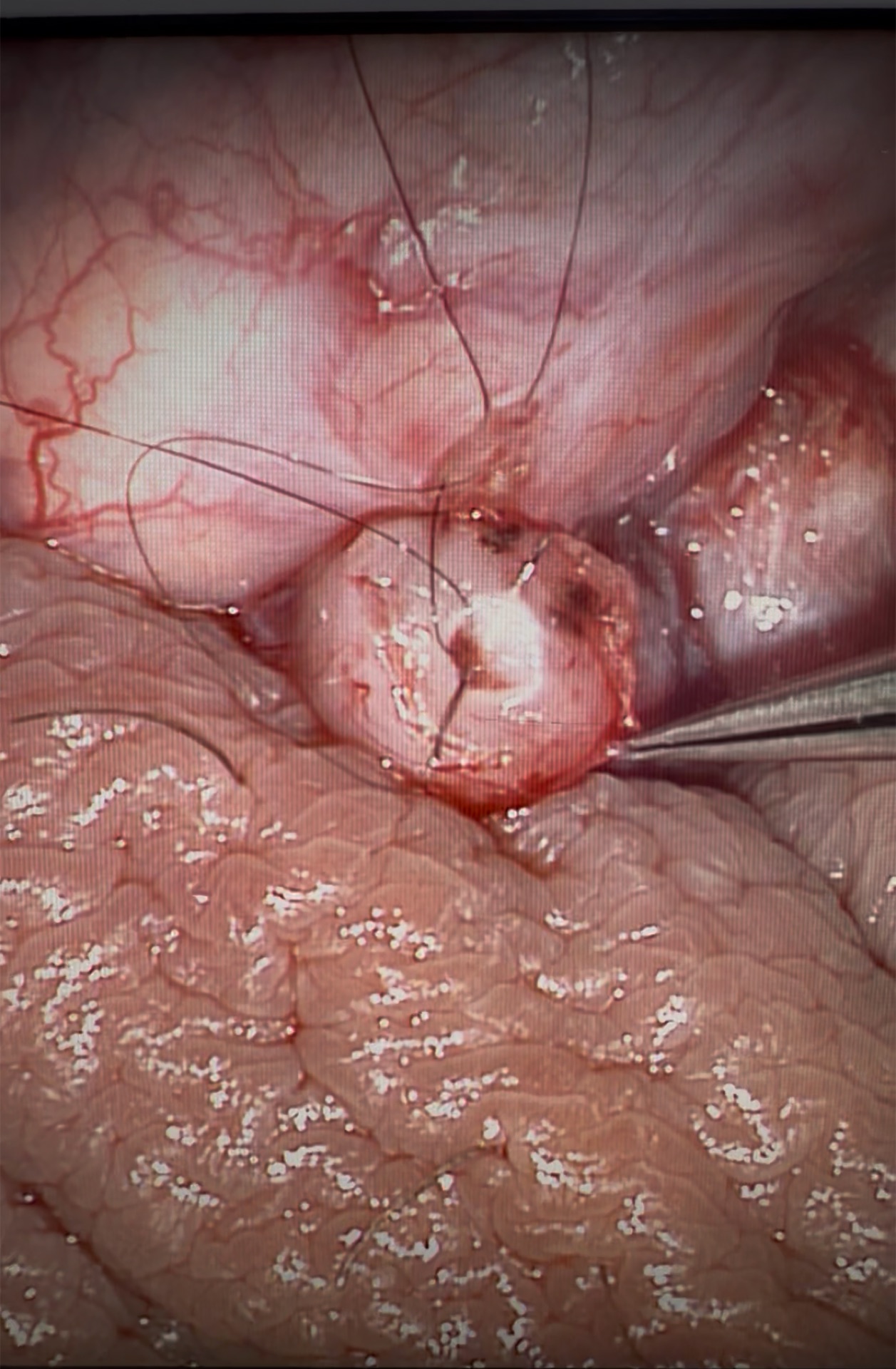 Before
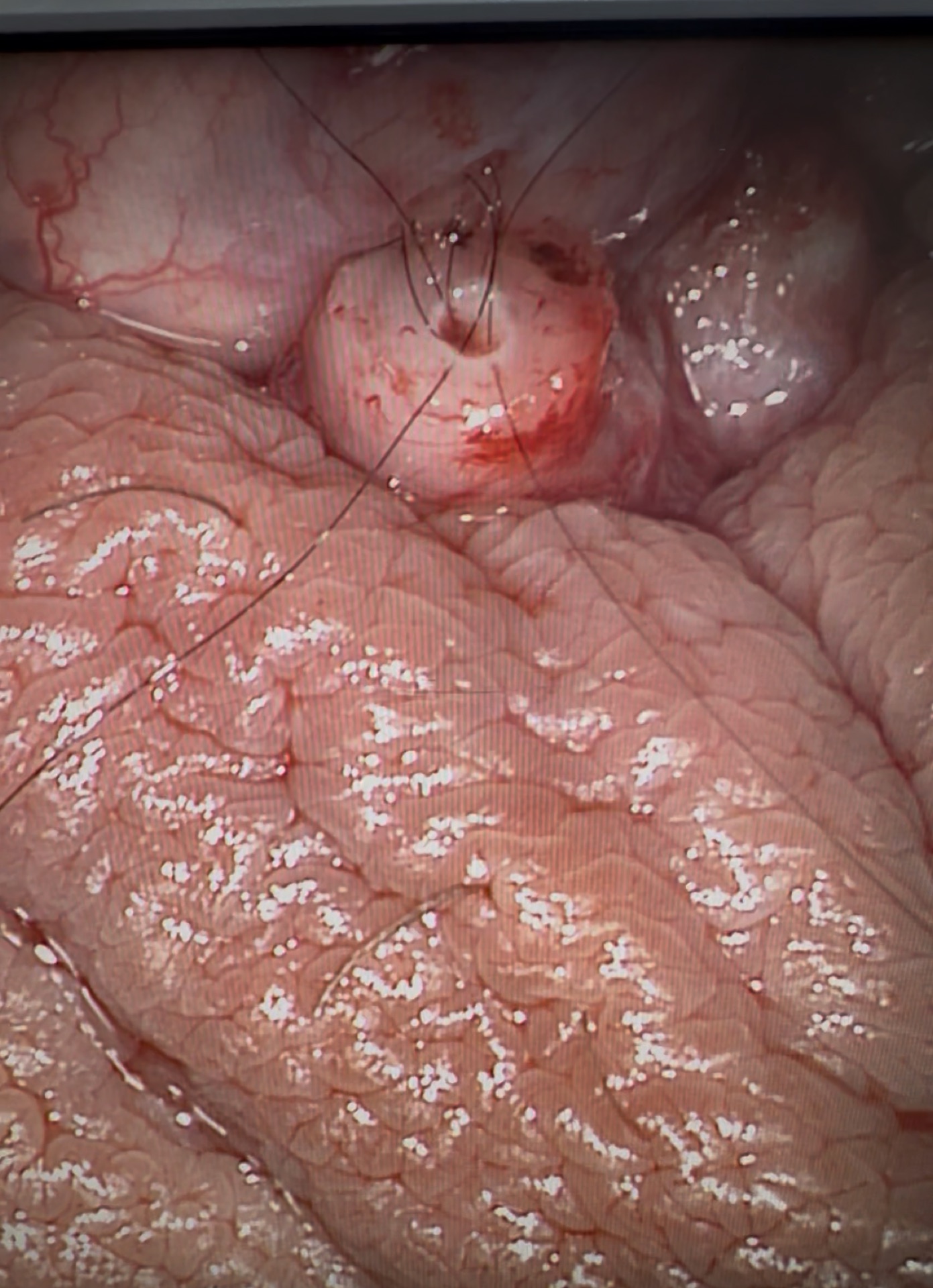 After
After
Patient outcomes vary. Images shown with patient consent and posted with discretion.
Recovery
Most men experience mild swelling, mild bruising, and temporary soreness.
Timeline
- First week: rest and activity restrictions, supportive underwear
- 2 weeks: resume sexual activity
- 2–3 weeks: gradual return to exercise
Most men return to desk-based work within several days.
When Will Sperm Return?
It depends on the reconstruction performed.
After VV: sperm often return to the ejaculate within several months.
After VE: return takes longer due to the complexity of the reconstruction.
Periodic semen analyses are obtained after surgery to monitor recovery.
Reversal vs. IVF
One of the most common questions couples ask.
Advantages of reversal
- Natural conception
- Potential for multiple pregnancies without repeated IVF cycles
- Avoids ovarian stimulation and egg retrieval
- Often more cost-effective over time
For some couples — particularly with significant female fertility factors — IVF may still be the better option. Every couple's situation is different.
Cost and Insurance
Some insurance plans cover vasectomy reversal; many don't, since it's considered elective fertility care. Surgery is typically self-pay. During consultation, you'll receive transparent pricing and counseling on surgical costs, alternative fertility treatments, comparative IVF costs, and long-term family goals.